Blog
Minimalist Furniture: Why Less Is Often More (and How to Make It Work at Home)

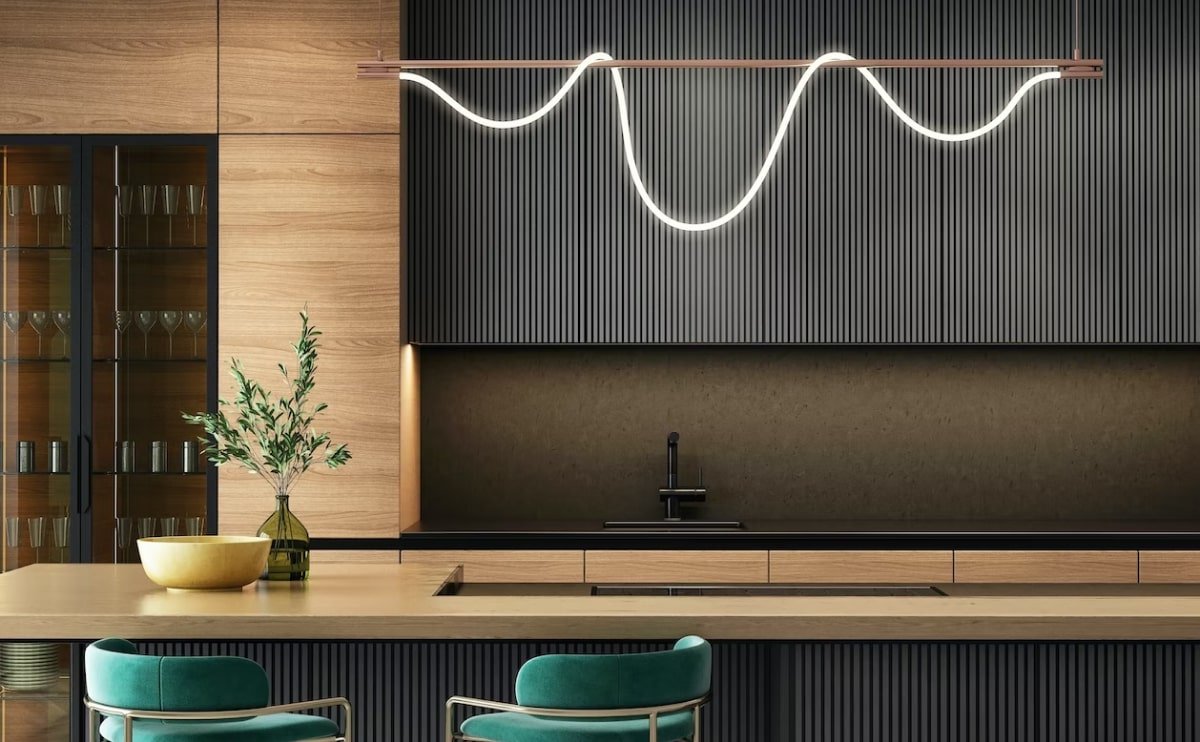
Minimalism isn’t just white walls and empty rooms — it’s intentional design that focuses on quality, function and calm. Here’s why minimalistic furniture matters and how to pull it off.
The appeal: calm, clarity, and longevity
Minimal pieces have clean lines and functional forms that don’t date quickly. Investing in well-made minimalist furniture often means fewer replacements and a quieter, more restful home.
Benefits for everyday life
Easier maintenance — fewer surfaces and simpler fabrics mean less cleaning.
Flexible styling — neutral, simple bases let you update color and personality with small accessories (cushions, rugs).
Perceived space — minimal pieces can make small rooms feel larger and less cluttered.
What to look for in minimalist furniture
Proportions & scale — good minimalist design is well-proportioned; not tiny or underscaled.
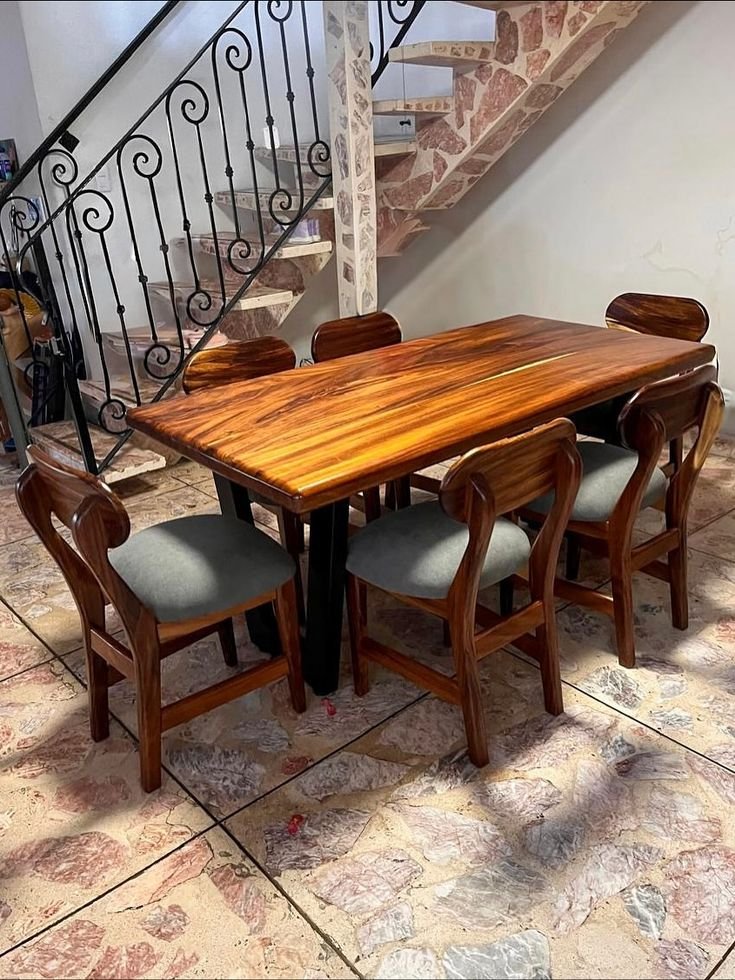
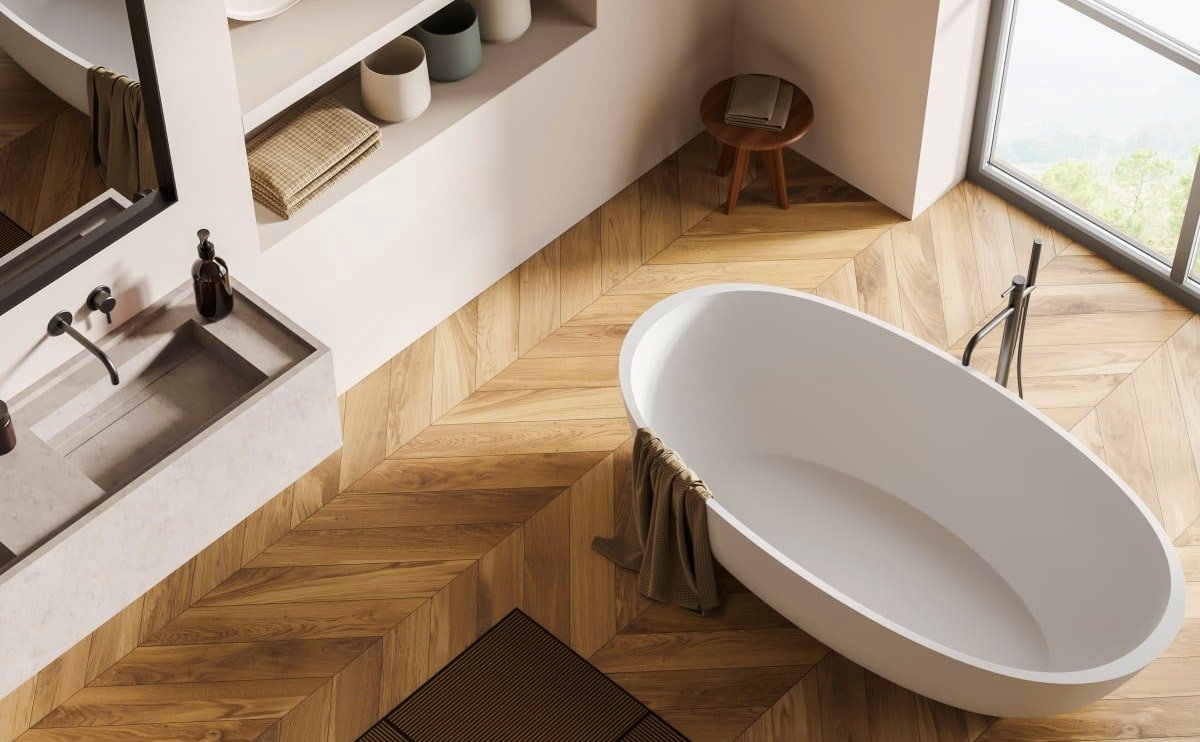
Quality materials — durable wood, solid joinery, and neutral durable upholstery.
Functional design — storage where needed, clean frames, and multi-purpose pieces (e.g., sofa with hidden storage).
Styling tips
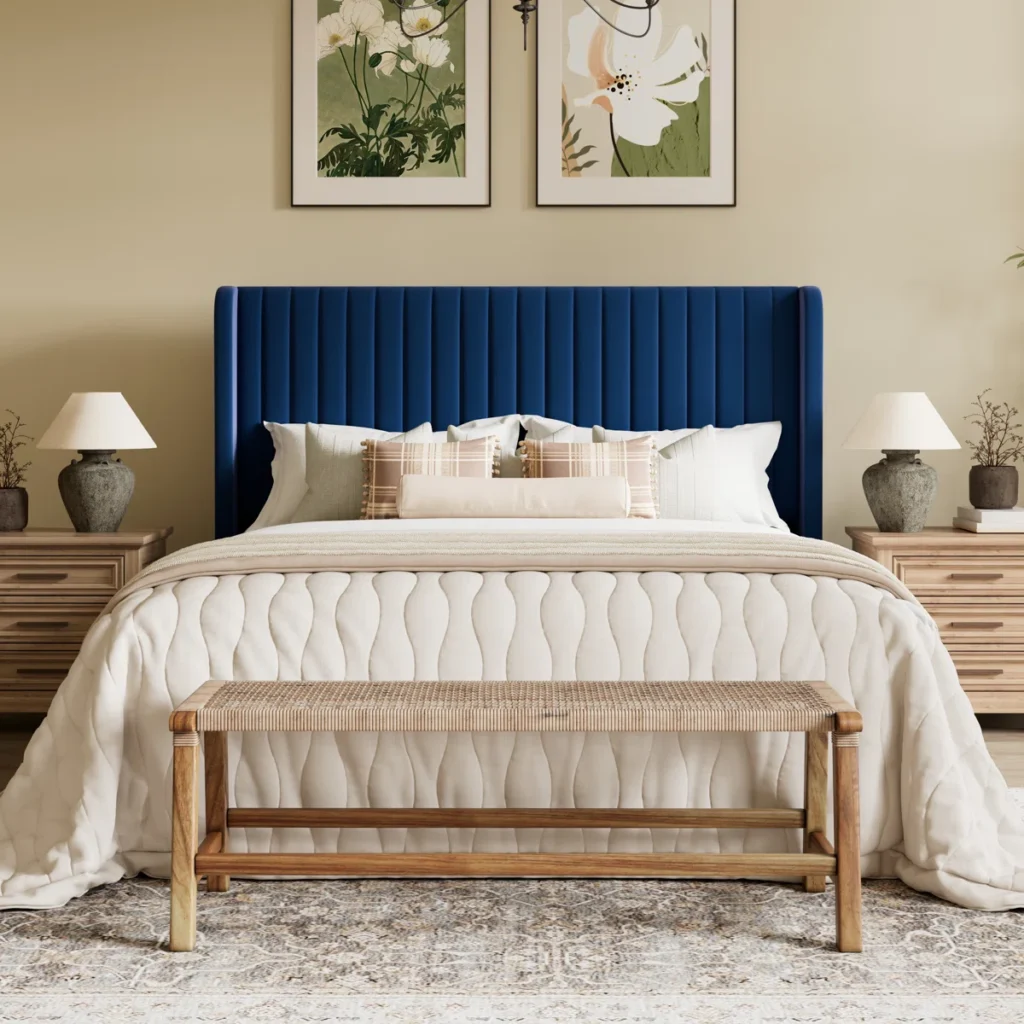
Stick to a restrained palette — one or two base neutrals with 1 accent color.
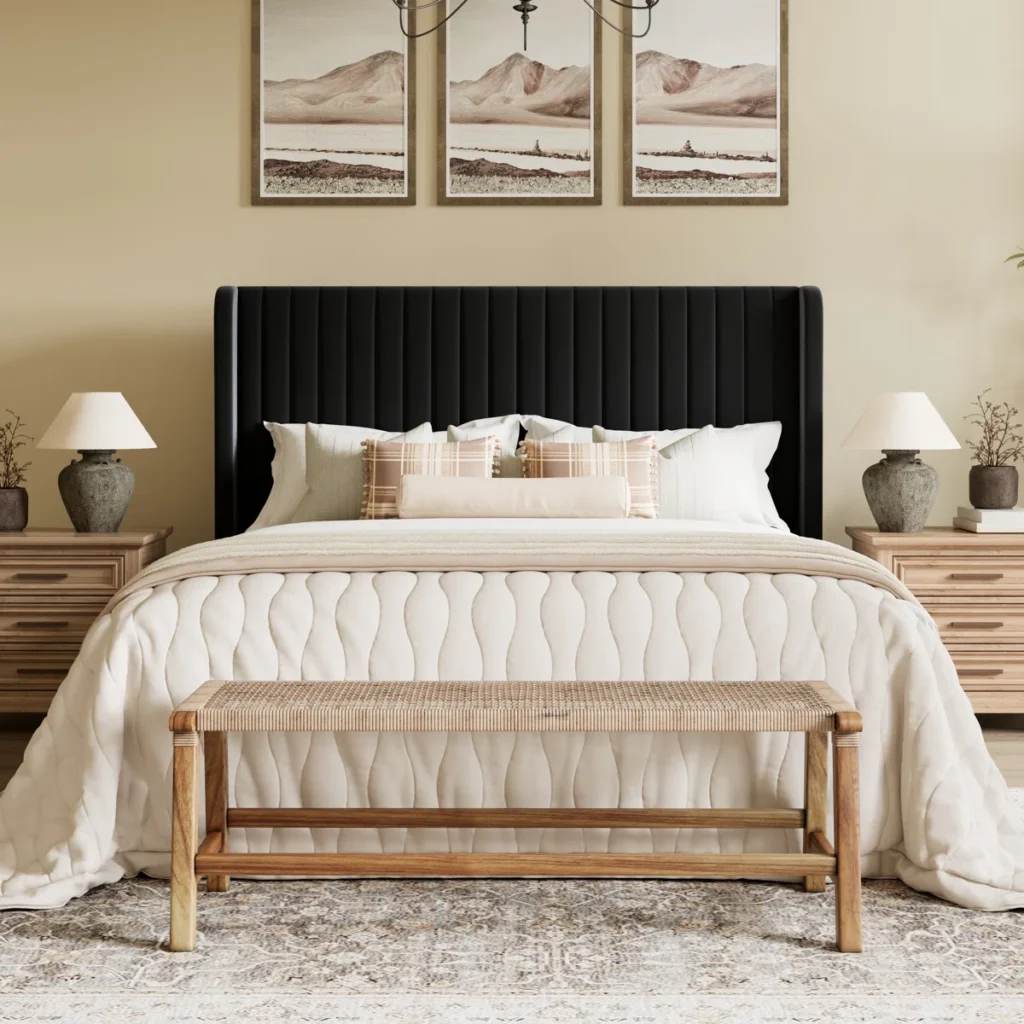
Add texture, not clutter: woven throws, a tactile rug, and a single artwork.
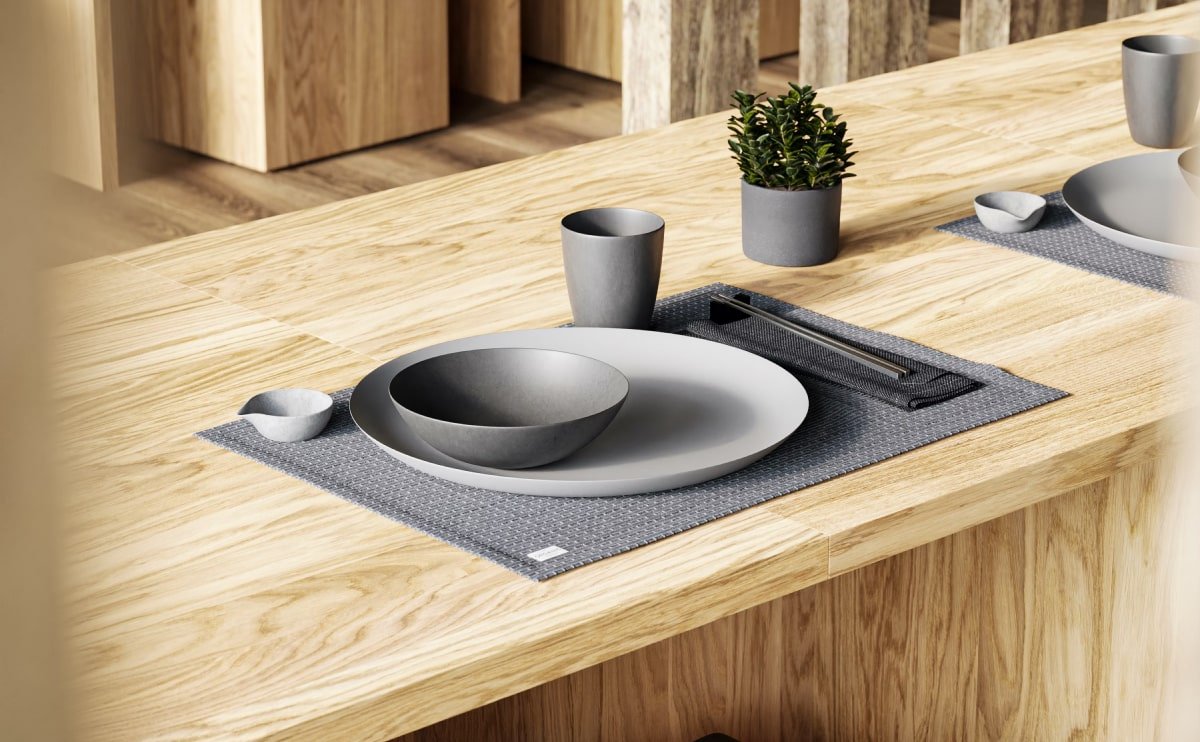
Keep surfaces intentionally curated: one lamp, one plant, one stack of books.
Minimalism meets Kenyan homes
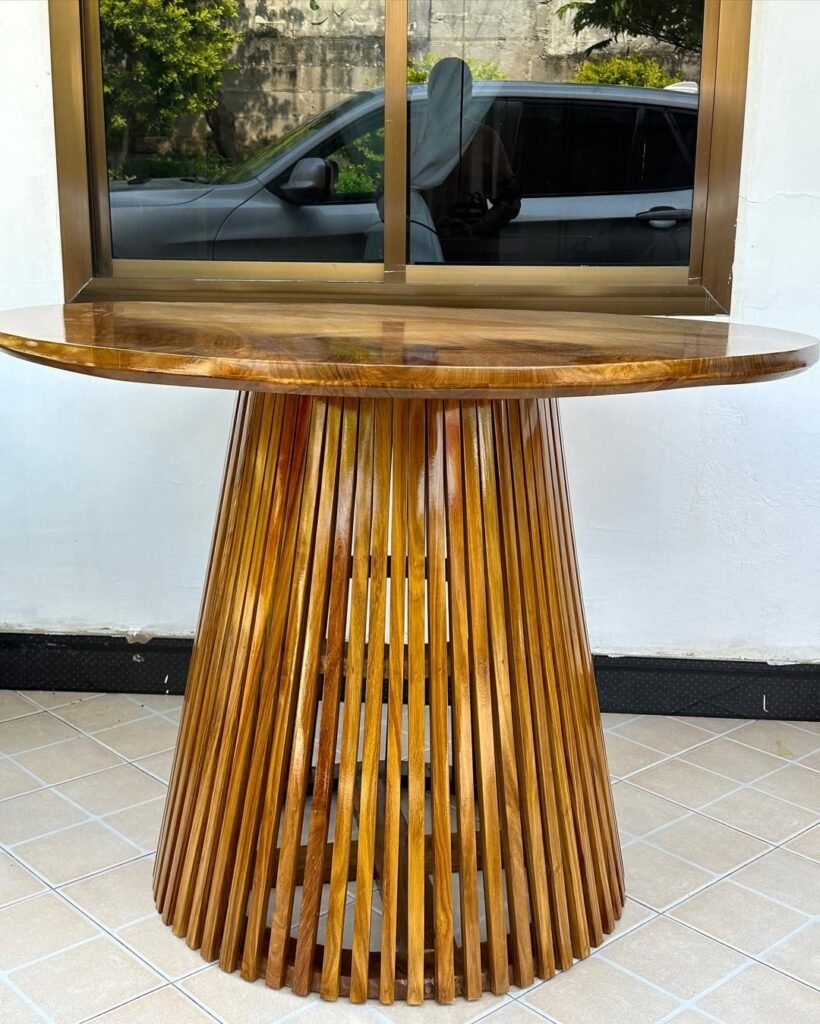
Mix minimalist furniture with local craft: a simple sofa + a handwoven kikoy throw or a carved mango-wood side table adds warmth and identity without visual noise.
In short: minimalism is about choosing fewer, better things. It’s a philosophy that saves money, reduces stress, and looks effortlessly modern.
Related Posts
Choosing Furniture in Kenya: A Buyer’s Guide That Actually Helps
Join Our Marketplace: An Invitation to Kenyan Carpenters & Makers
About Us
We’re a studio — offering a curated collection of ready-made favorites and bespoke services for clients who want something truly personal